
Winter can be beautiful, but your skin might not agree. Cold temperatures, dry indoor heating, hot showers, and chilly winds can leave your body feeling rough, tight, itchy, and dehydrated. Even if your skincare routine works perfectly during summer, winter often calls for a little extra attention. The secret to soft, smooth, glowing skin isn’t necessarily buying dozens of expensive products. It’s about choosing the right ingredients, building simple habits, and giving your skin the moisture and protection it needs.
If you’re dreaming of silky legs, smooth arms, and that healthy-looking body glow, it’s time to upgrade your winter body care routine.
1. Switch to a Gentle, Hydrating Body Wash
One of the easiest ways to improve dry winter skin is to rethink your shower routine. Some body washes contain strong cleansing ingredients that can strip away too much of your skin’s natural oils. This may leave your skin feeling tight or uncomfortable, especially when the air is already dry.
During winter, look for a gentle, moisturizing body cleanser with ingredients such as:
- Glycerin: Helps attract and retain moisture
- Ceramides: Support the skin’s natural protective barrier
- Shea butter: Adds conditioning and softness
- Oat extract: Can help soothe dry, uncomfortable skin
Avoid cleansers that leave your skin feeling squeaky clean. That sensation isn’t necessarily a sign that your skin is cleaner; it can mean you’ve removed too much of its natural moisture.
Beauty tip: Use lukewarm water instead of very hot water. Your skin will thank you!
2. Apply Body Lotion While Your Skin Is Still Damp
This is one of the simplest winter skincare tricks, and it can make a noticeable difference in how your skin feels. After showering, gently pat your body with a towel, leaving your skin slightly damp. Then apply your favorite body lotion or cream. Why does this work? Moisturizers containing humectants, such as glycerin and hyaluronic acid, help attract water. Applying moisturizer shortly after bathing helps support hydration while your skin is still slightly damp.
For extra-dry areas, choose a thicker cream rather than a lightweight lotion
Try this routine:
- Take a short, lukewarm shower.
- Gently pat your skin dry.
- Apply body moisturizer within a few minutes.
- Pay extra attention to your elbows, knees, legs, and hands.
Consistency is more important than using a luxury product once in a while
3. Add a Body Butter for Extra Winter Nourishment
When temperatures drop, lightweight summer lotions may not provide enough comfort for very dry skin. Body butters are usually richer and thicker than regular lotions. They often contain nourishing emollients and occlusive ingredients that help soften the skin and reduce moisture loss.

Look for formulas featuring:
- Shea butter
- Cocoa butter
- Mango butter
- Squalane
- Plant oils
Apply body butter to particularly dry areas, such as your shins, elbows, knees, and heels. You don’t necessarily need to cover your entire body in a thick layer. A combination of everyday body lotion and a richer cream for dry areas can be enough. Winter beauty secret: Keep a small jar of body butter beside your bed. Applying it to your hands, feet, and elbows before sleep can become a lovely nighttime ritual.
4. Exfoliate Gently for Smoother-Looking Skin
Dead skin cells can accumulate on the skin’s surface, sometimes making it appear dull or rough. Gentle exfoliation can help improve skin texture and make your moisturizer feel more effective.There are two main types of body exfoliation:
Physical exfoliation: Uses particles or textured materials to loosen dead skin cells gentle body scrubs are one example. Chemical exfoliation: Uses ingredients such as lactic acid, glycolic acid, or salicylic acid to help loosen the bonds between dead skin cells. For rough, dry body skin, lactic acid can be a useful option because it exfoliates while also acting as a humectant. However, more exfoliation doesn’t mean better results. Over-exfoliating can damage the skin barrier and make dryness, irritation, and sensitivity worse. Start with one exfoliating product once a week, follow its instructions, and adjust only if your skin tolerates it.
Avoid exfoliating cracked, irritated, or inflamed skin.
5. Give Your Hands a Dedicated Winter Routine
Your hands are constantly exposed to cold weather, water, soap, and cleaning products. It’s no surprise they can become one of the driest parts of your body during winter.
A regular hand cream can make a big difference.
Look for products containing glycerin, ceramides, shea butter, or petrolatum. These ingredients help moisturize and protect dry skin.
Try this simple routine:
- Apply hand cream after washing your hands.
- Keep a small tube in your handbag or next to your desk.
- Wear gloves when going outside in cold weather.
- Apply a thicker layer of moisturizer before bedtime.
If your hands become extremely dry, a fragrance-free cream or ointment may be more comfortable than a scented lotion. And don’t forget sunscreen! The backs of your hands are exposed to UV radiation throughout the year, even during winter.
6. Use a Hydrating Body Serum for Extra Care
Face serums aren’t the only skincare products worth trying. Body serums can also be a useful addition to your winter routine. These lightweight formulas are designed to deliver moisturizing ingredients to the skin without the heavier feel of some body creams.
Popular ingredients include:
Hyaluronic acid: Helps attract water and improve the feeling of hydration.
Niacinamide: Supports the skin barrier and can help improve the appearance of uneven skin tone.
Panthenol: Helps condition and soothe the skin.
Glycerin: A reliable humectant that attracts moisture.
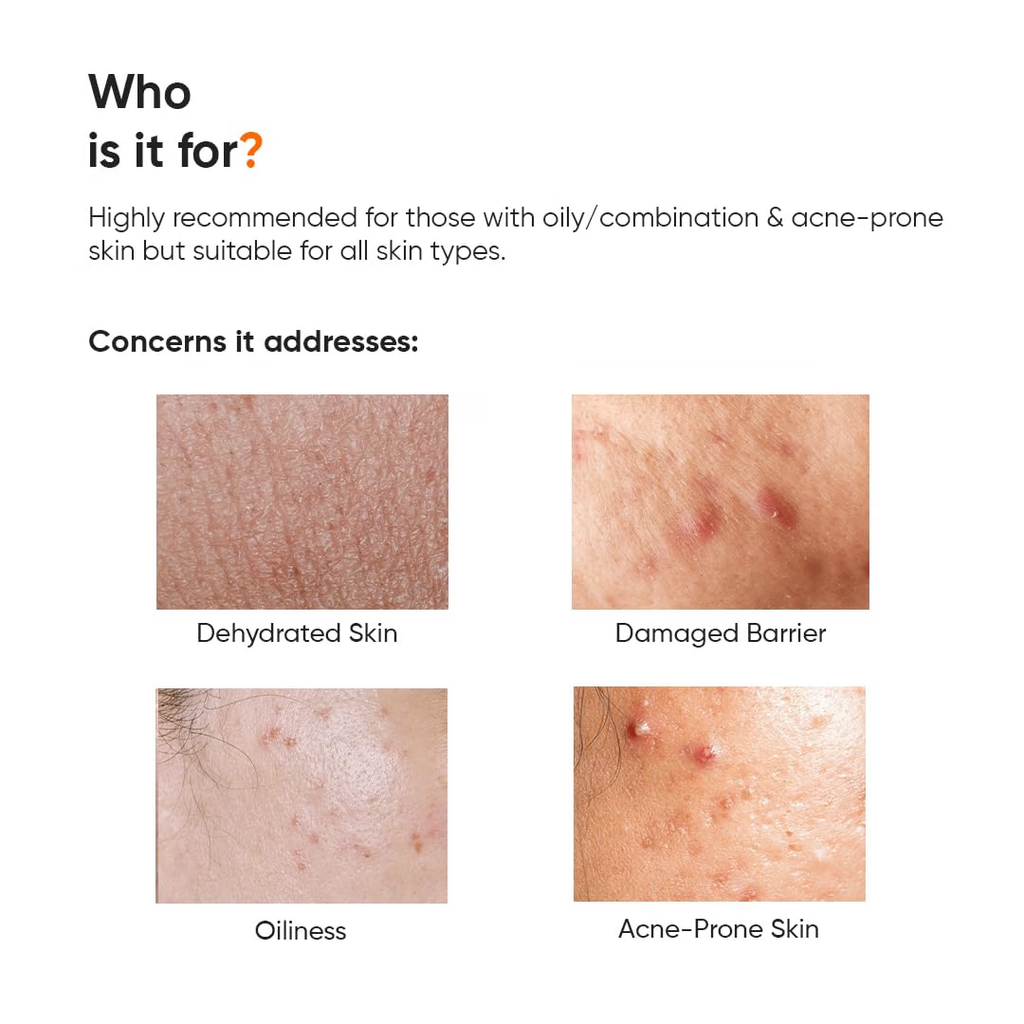
Apply a body serum to clean, slightly damp skin, then follow with a moisturizer to help seal in hydration. You don’t need a complicated collection of products. One well-formulated serum can be enough if your regular body cream isn’t giving you the results you want.
7. Don’t Forget Your Feet and Heels
Dry feet are one of the most common winter body care problems. Cold weather, closed shoes, and dry indoor air can contribute to rough heels and uncomfortable skin. The solution is a consistent foot care routine.
Start with a gentle foot cream containing ingredients such as urea, glycerin, or shea butter. Urea is particularly useful because it can help soften rough, thickened skin. The concentration matters: lower concentrations are generally used for moisturizing, while higher concentrations have a stronger softening effect.
Try this overnight foot care trick:
- Wash your feet with lukewarm water.
- Dry them carefully, especially between the toes.
- Apply a moisturizing foot cream to dry areas.
- Put on comfortable cotton socks.
Repeat regularly to help maintain softer feet. If you have deep heel cracks, bleeding, pain, or signs of infection, seek professional advice rather than relying on home exfoliation.
8. Choose Fragrance-Free Products When Your Skin Is Sensitive
Winter can make already-sensitive skin feel even more uncomfortable. If you notice itching, redness, tightness, or irritation after using scented body products, consider switching to fragrance-free formulas. Fragrance can be a trigger for irritation or allergic contact dermatitis in some people.
When shopping for winter body care, look for labels such as:
- Fragrance-free
- Sensitive skin
- Dermatologist-tested
- Barrier-supporting
Remember that natural fragrances and essential oils can also cause reactions. Natural doesn’t automatically mean gentle. If you’re introducing a new product, test it on a small area first and follow the product’s directions. For persistent itching, redness, or cracking, consult a dermatologist.
9. Make Your Bedroom More Skin-Friendly
Your skincare routine doesn’t stop when you leave the bathroom. Indoor heating can reduce humidity, making the air feel extremely dry. This may contribute to dry or uncomfortable skin, especially overnight.
A few simple changes can make your bedroom more comfortable:
- Use a humidifier if indoor air is particularly dry.
- Avoid overheating your bedroom.
- Choose soft, breathable sleepwear.
- Keep a moisturizing cream beside your bed.
- Drink enough water throughout the day.
A humidifier can help increase indoor humidity, but keep it clean and follow the manufacturer’s maintenance instructions. You don’t need a complicated nighttime body care routine. A little moisturizer before bed and a comfortable sleeping environment can go a long way toward making winter feel less harsh on your skin.
10. Wear SPF Even During Winter
Sunscreen is not just a summer essential. UVA rays can reach your skin throughout the year, even when temperatures are low or the sky is cloudy. Snow can also reflect UV radiation, increasing exposure in some environments. If your arms, hands, neck, or other body areas are exposed, apply broad-spectrum sunscreen with SPF 30 or higher. This is particularly important if you’re using exfoliating ingredients such as glycolic acid or lactic acid, which may increase sensitivity to sunlight.
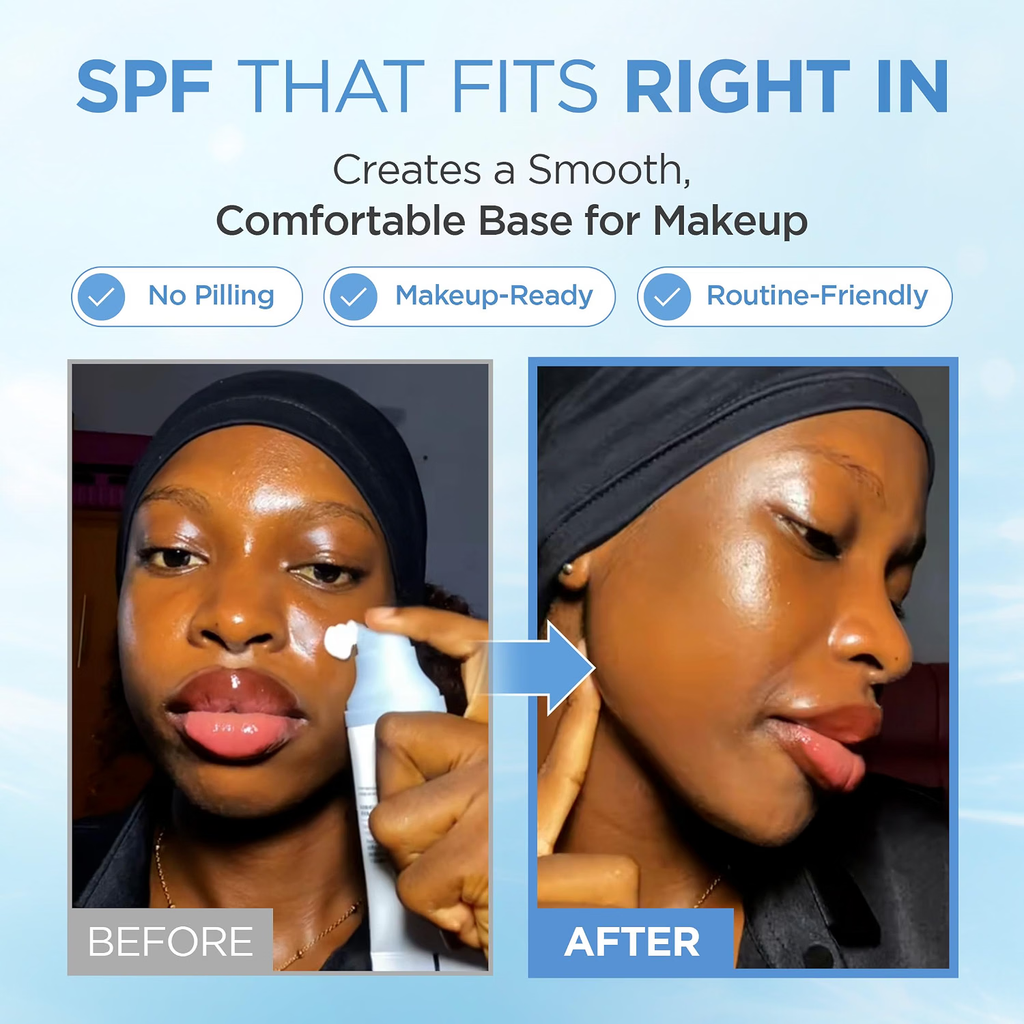
Make sunscreen part of your everyday routine, not something you remember only when planning a summer vacation.
Your Simple Winter Soft Skin Routine
You don’t have to follow all ten tips every single day. The easiest way to get started is to build a routine that fits naturally into your lifestyle.
| When | What to do |
|---|---|
| Morning | Apply body lotion to dry areas |
| After showering | Moisturize while skin is slightly damp |
| During the day | Reapply hand cream and use SPF on exposed skin |
| Once a week | Gently exfoliate if your skin tolerates it |
| Before bed | Apply body butter to dry areas and foot cream to your heels |
The key is to keep your routine simple and consistent.