What if a cheap, decades-old drug could play a role in cancer treatment?
It might sound far-fetched but it’s a question that’s quietly fueling debate among scientists and doctors right now.
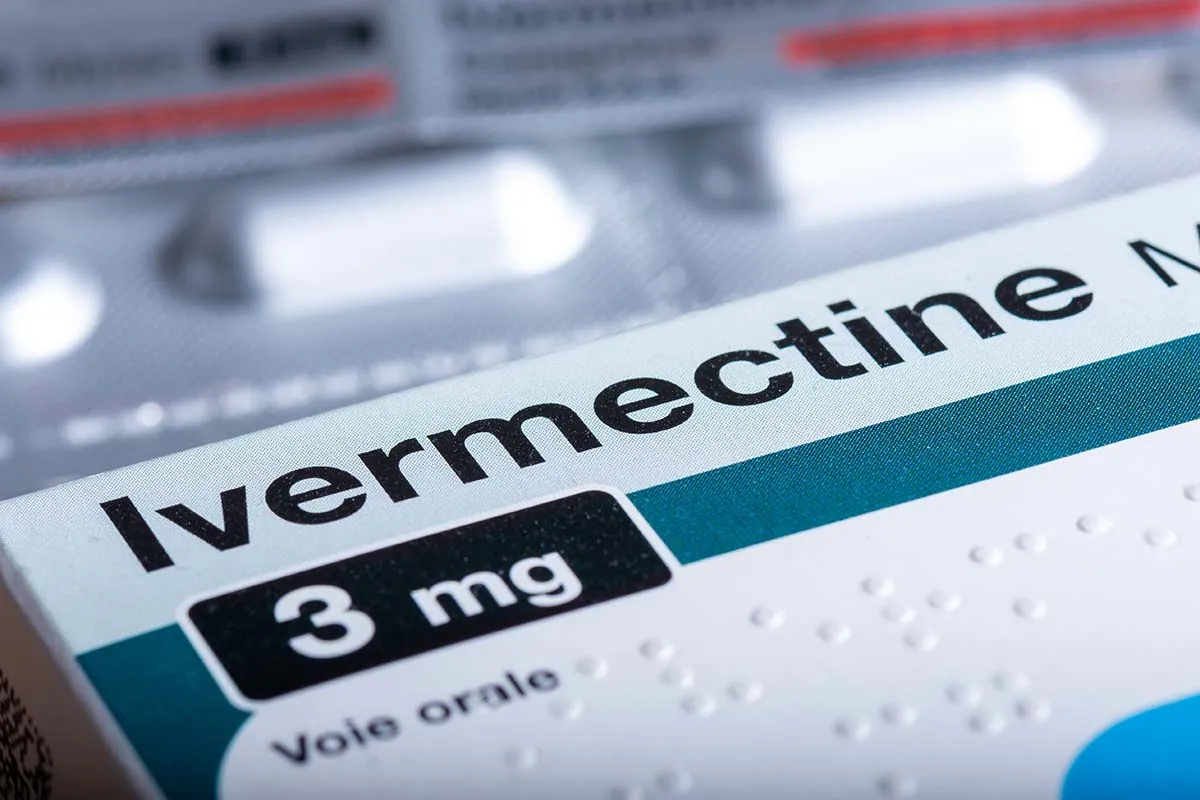
At the center of it all is ivermectin, a medication best known for treating parasitic infections. So why is it suddenly being mentioned in conversations about cancer?
Why Researchers Are Paying Attention?
In recent years, scientists have been exploring drug repurposing—the idea of using existing medications for entirely new conditions.
Ivermectin has entered the spotlight because early laboratory research suggests it might:
- Slow the growth of certain cancer cells
- Trigger cell death in tumors
- Interfere with pathways that help tumors develop
Some animal studies have even shown reduced tumor growth, since ivermectin is already widely used and relatively affordable, researchers see it as worth a closer look.
So Why the Disagreement?
This is where things become less straightforward.
While early findings can sound promising, there’s still no strong clinical evidence showing that ivermectin works as a cancer treatment in humans.
Most of the research so far:
- Has been done in test tubes or animal models
- Is limited in scale
- Has not been confirmed in large, well-controlled human trials
And that gap matters. What works in a lab doesn’t always translate to real-world results in the human body
What Research Institutions Are Doing
With growing public interest, major research organizations have started paying closer attention.
For instance, the National Cancer Institute has initiated early-stage studies to better understand how ivermectin might interact with cancer cells.
Still, it’s important to keep this in perspective: this is very early research, not evidence of an effective treatment.
What Oncologists Are Saying
Most cancer specialists agree on one key point:
Ivermectin is not an approved or proven cancer treatment.
There’s also concern that online claims are moving faster than the science itself. Some doctors worry that patients may be misled or even consider replacing established treatments with something unproven.
Right now:
- Evidence is not strong enough to recommend its use
- There are potential risks if used incorrectly
- More patients are asking about it due to social media exposure
The Bottom Line
Yes, ivermectin is being studied
Yes, the early research is interesting
But no it’s not a cure for cancer, and it shouldn’t be treated as one.
Science moves carefully for a reason. Before any drug becomes a legitimate treatment, it must go through years of testing to prove that it’s safe, effective, and better than existing options.
What to Take Away
It’s easy to get caught up in headlines that promise breakthroughs but context is everything.
Right now, ivermectin is:
- A topic of ongoing research
- A source of debate in the medical community
- Not a proven solution
If something in health sounds too good to be true, it usually needs more evidence.